
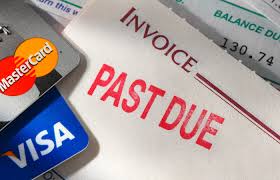
As a former Portfolio Analyst at Morgan Stanley, I’ve seen how even the most disciplined investors can have their financial standing compromised by a single administrative oversight. A 90-day late payment—especially on student loans like Aidvantage—can cause a credit score to plummet by over 200 points instantly.
If you’ve experienced a massive drop from the 800s to the 500s, this is your technical roadmap to recovery.
1. Why the Drop is So Severe (The 200-Point Logic)
Credit scoring models (FICO and VantageScore) prioritize Payment History above all else.
- The “Clean Slate” Penalty: When a borrower with a perfect 800+ score misses a payment, the model sees it as a high-risk shift in behavior.
- 90-Day Milestone: A 30-day late is a warning; a 90-day late is considered a serious delinquency that stays on your report for seven years.
2. Step 1: The “Goodwill Letter” Strategy
Before filing a formal dispute, try a Goodwill Letter.
- The Approach: Write to the creditor (e.g., Aidvantage) explaining the specific hardship (medical leave, bank closure, or family emergency).
- The Ask: Request a “one-time courtesy adjustment” to remove the late mark due to your long-standing history of on-time payments.
3. Step 2: Formal Disputes for Notification Failures
If the creditor denies your goodwill request, check your notification records.
- Inadequate Notice: If the bank changed its autopay system or failed to send required delinquency notices to your correct address, you may have grounds for a formal dispute with Equifax, Experian, and TransUnion.
4. Rebuilding the Damage: The “Rule of 6 Months”
While the mark stays on your report, its impact fades over time if you take these actions:
- Maintain 0% Utilization: Keep your existing credit card balances as low as possible to maximize the “Credit Utilization” portion of your score.
- Experian Boost: Link your utility and phone bills to your credit file to add positive payment history immediately.
- The Waiting Game: Typically, you will see a partial “rebound” of 30–50 points within six months of consistent on-time payments following a major drop.
Technical Checklist for Credit Recovery:
- Download your official reports from AnnualCreditReport.com to verify the exact date of delinquency.
- Draft a Goodwill Letter focused on the specific “unforeseen circumstance”.
- Automate all current payments to ensure a 0% chance of a second mistake.
Expert Insight from Elijah Finn
“In wealth management, we don’t just look at assets; we look at credit health. A 587 score prevents you from accessing the best investment leverage. Your priority for the next 12 months is not ‘growth,’ but ‘repair.'”

Elijah Finn is a Registered Investment Advisor (RIA) and the Principal Analyst for Core Capital Report. With eight years of experience as a Portfolio Analyst at Morgan Stanley Wealth Management, Elijah specializes in translating complex financial strategies into clear, actionable advice for high-net-worth and middle-market clients. He holds an MBA in Finance from the University of Chicago Booth School of Business and maintains his Series 65 certification, adhering to a strict fiduciary standard in all analyses. His work focuses on maximizing long-term wealth through rigorous due diligence on investment vehicles, high-value credit cards, and robust insurance policies.